



When Should Property Owners Arrange Fire Watch Services in Texas?
What Situations Require Fire Watch Services?
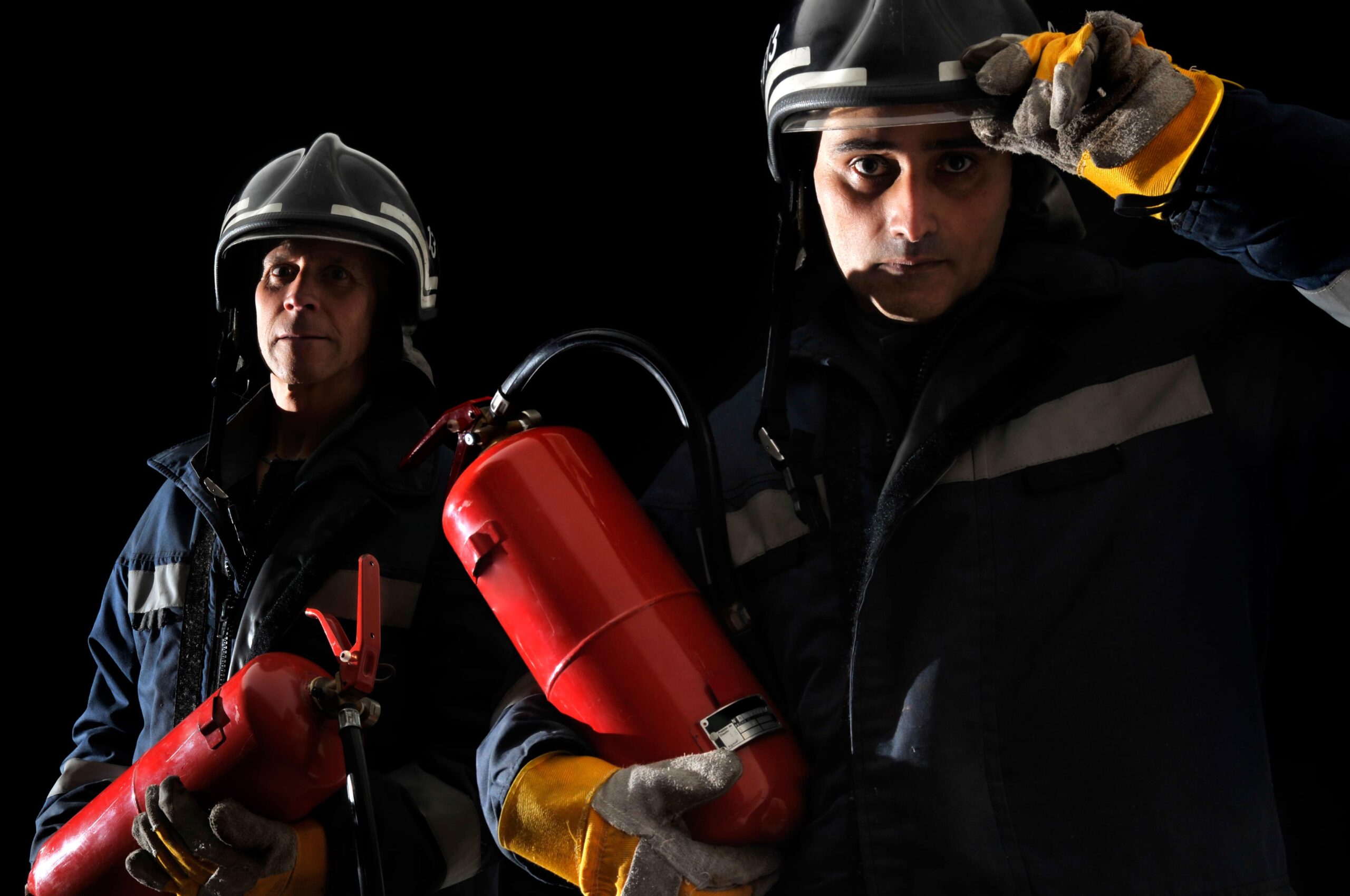
Property safety depends on reliable fire prevention measures, functioning detection systems, and clear emergency procedures. However, unexpected equipment failures, maintenance work, or hazardous conditions can create situations where additional supervision becomes necessary. In these circumstances, fire watch guards texas can help property owners maintain safety by providing trained personnel who monitor potential fire hazards, recognize warning signs, and respond according to established emergency procedures.
When Should a Fire Watch Begin?
A fire watch should be arranged when a required fire alarm, sprinkler system, or another essential fire protection system becomes impaired. Property owners should not assume that normal operations can continue without additional precautions. A qualified fire protection professional can help determine the appropriate response based on the affected equipment, building use, and applicable fire codes.
Fire watch arrangements may also be necessary during planned maintenance, system inspections, or unexpected technical failures. Taking action promptly helps reduce the period during which occupants and property remain exposed to increased fire risk.
Is Fire Watch Necessary During Construction?
Construction and renovation activities can introduce hazards that are not present during ordinary building operations. Welding, cutting, grinding, temporary electrical installations, and the storage of combustible materials can increase the likelihood of fire.
Fire watch personnel can monitor designated work areas, check for unsafe conditions, and follow established procedures when hot work is underway. Their responsibilities should be clearly defined before work begins. Property managers should also ensure that contractors understand site safety requirements and emergency communication procedures.
Do Commercial Properties Need Fire Watch Coverage?
Commercial buildings may require fire watch arrangements when protective systems are unavailable or when site conditions create additional hazards. Offices, warehouses, retail premises, industrial facilities, and residential complexes each have different safety considerations.
The decision should account for occupancy, building layout, available exits, existing fire protection equipment, and the nature of the impairment. Property managers should consult the local fire authority or qualified fire safety professionals to establish appropriate coverage and determine whether occupants need additional instructions.
What Should Fire Watch Personnel Monitor?
Fire watch personnel should remain attentive to their assigned areas throughout the required coverage period. Their duties may include identifying smoke, unusual heat, sparks, burning odors, blocked exits, and unsafe material storage.
They should maintain communication with designated contacts, understand evacuation routes, and know how to report emergencies immediately. Patrol frequency and documentation procedures should follow the applicable fire authority’s instructions and the property’s safety plan.
A fire watch is not a substitute for repairing defective equipment. Its purpose is to provide temporary monitoring and help reduce risk while the underlying problem is addressed.
How Can Property Owners Prepare for Fire Watch Coverage?
Preparation begins with identifying the hazard, determining which areas are affected, and contacting an appropriate service provider. Owners should explain the building’s occupancy, operating hours, access arrangements, and existing emergency procedures.
They should also verify personnel qualifications, confirm communication arrangements, and establish clear reporting responsibilities. Records of patrols, identified hazards, corrective actions, and relevant communications can support accountability throughout the assignment.
When Can Fire Watch Duties End?
Coverage should continue until the underlying hazard has been addressed and the responsible authority or qualified professional confirms that the required safety conditions have been restored. Property owners should not discontinue monitoring simply because a repair appears complete.
A documented inspection, successful system testing, and any required approval may be necessary before normal fire protection arrangements resume.
Why Is Early Planning Important?
Planning ahead helps property owners respond confidently when fire protection systems fail or hazardous work becomes unavoidable. Understanding when additional monitoring is needed supports safer decisions, clearer communication, and better protection for occupants, employees, visitors, and assets. By arranging appropriate fire watch coverage promptly and following local requirements, Texas property owners can manage temporary fire risks responsibly.