



How Fire Watch Companies Near Me Assist With Hot Work Safety Planning
Why should hot work be planned before equipment is switched on?
Hot work creates conditions that may not normally exist in a workplace. Welding arcs, cutting torches, grinding sparks, and similar activities can introduce ignition sources into areas containing combustible materials. Planning allows teams to identify these conditions before work begins and establish appropriate controls. Fire Watch Companies Near Me can support this process by providing trained personnel who understand the importance of monitoring the work environment throughout the assigned hot work period. Their involvement adds focused attention to an activity that requires careful coordination.
What should be reviewed during hot work planning?
The work location, type of activity, surrounding materials, building construction, nearby operations, emergency access, and fire protection resources can all be relevant. Supervisors and safety personnel should determine the controls required for the specific job. A fire watch can then understand the planned operation and the conditions that need to be observed. This creates a clearer connection between the written safety process and what is happening at the worksite.
How can fire watch personnel support a hot work permit process?
Where a hot work permit system is used, fire watch personnel may be included in the site’s established authorization and monitoring procedures. The permit can identify the work location, activity, precautions, responsible parties, and other relevant information. Fire watch personnel should understand the conditions under which work is permitted and know what action to take if those conditions change. The exact permit requirements vary by facility and applicable regulations.
Why should combustible materials be addressed?
Combustible materials can increase the consequences of an ignition event. Before hot work begins, the responsible team should identify materials that could be exposed to sparks or heat and determine whether they can be removed, relocated, or protected. Fire watch personnel can then monitor the area for changes or materials introduced after preparation. This is particularly important on active construction sites where supplies and equipment may move throughout the day.
What role does communication play in safety planning?
Communication establishes who is responsible for starting, stopping, monitoring, and reporting conditions during the work. The fire watch should know how to contact the supervisor and how emergency notifications are made. The work crew should also understand that the fire watch has a defined monitoring responsibility. Clear communication reduces uncertainty when conditions change and helps ensure that concerns are addressed according to the established site procedure.
Why can changing site conditions affect fire watch responsibilities?
A work area may look safe during an initial inspection but change later. New materials may be delivered, another contractor may begin work nearby, ventilation may change, or access points may be altered. These developments can influence how sparks and heat behave. Ongoing observation helps identify changes that were not present during the initial preparation. Fire watch personnel can communicate when additional precautions or a work stoppage may be necessary.
What happens when a fire watch identifies an unsafe condition?
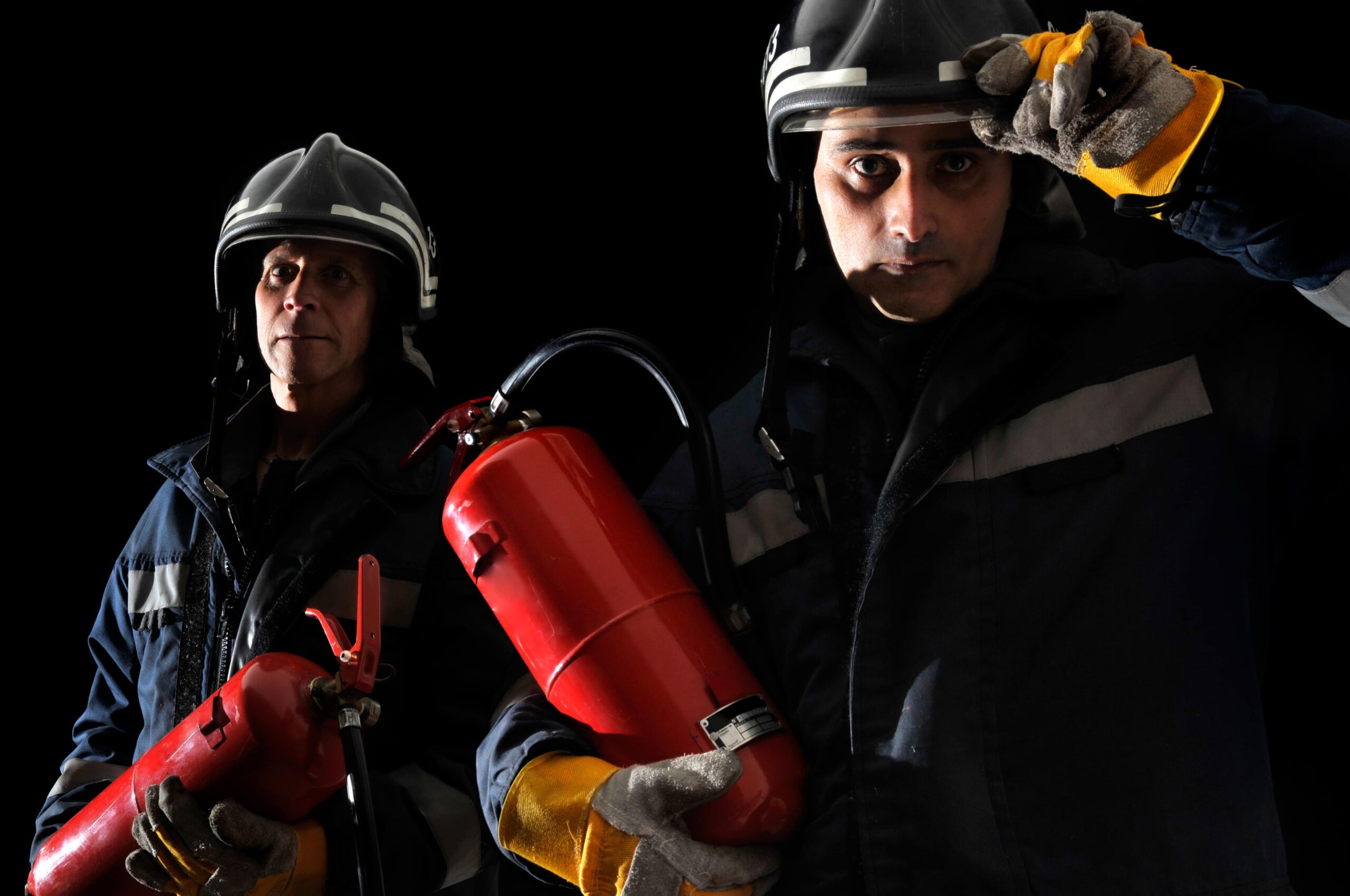
The appropriate response depends on the site’s emergency and hot work procedures. The fire watch may alert the work crew, notify the responsible supervisor, stop or request suspension of the operation when authorized, and initiate emergency notification when required. If a fire is present, established emergency procedures should take priority. Any use of fire extinguishing equipment should be consistent with the person’s training and the site’s response plan.
Why is post-work observation included in many safety programs?
Heat can remain in materials after equipment is shut down. Sparks may also lodge in locations that are not immediately obvious. Post-work observation provides additional time to identify smoke, smoldering materials, or other warning signs. The required monitoring period should be based on the specific work conditions and applicable safety requirements rather than using an arbitrary approach.
How can professional fire watch services support businesses?
Professional services can provide personnel whose assigned attention remains focused on fire-related hazards during hot work. This can help businesses coordinate temporary high-risk activities with their broader workplace safety practices. It also allows workers performing specialized tasks to concentrate on their work while another trained individual monitors the surrounding environment.
What makes a structured approach effective?
A structured approach connects risk assessment, preparation, monitoring, communication, emergency response, and post-work observation. Each element addresses a different stage of the hot work process. When responsibilities are clearly defined and personnel remain attentive to changing conditions, organizations can create a more consistent framework for managing temporary ignition hazards. Fire watch is therefore most effective when it operates as part of an overall safety program rather than as an isolated precaution.