


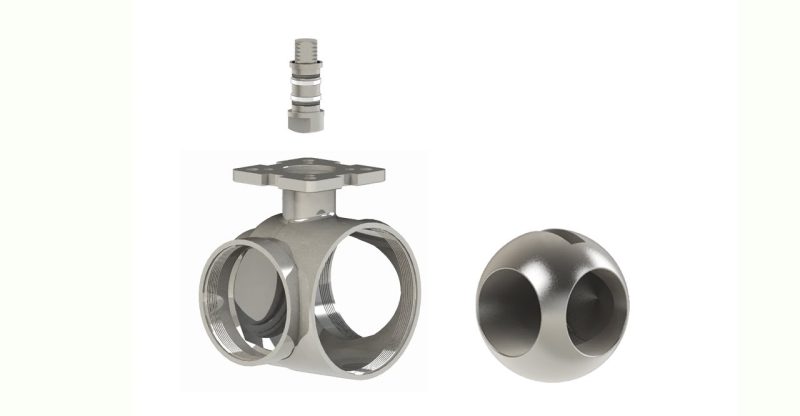
“V-Port Ball Valves: Designed for Accuracy and Efficiency”
Industrial processes demand precision, durability, and efficiency. Among the tools that enable seamless operations, V-Port ball valves have emerged as a game-changer in fluid control systems. Engineered to deliver optimal accuracy and performance, these valves are designed to meet the exacting requirements of modern industries. This blog explores the key features, advantages, and applications of V-Port Ball Valves.
What are V-Port Ball Valves?
Unlike conventional ball valves, V-Port ball valves feature a uniquely designed v-shaped notch in the ball. This design allows for better control over the flow of fluids, combining the features of a ball valve with the precision of a control valve. With their advanced flow characteristics, V-Port ball valves are highly effective in applications requiring variable flow control.
These valves are manufactured using high-quality materials, ensuring long-lasting performance and reliability. Available in a variety of configurations, including manual and automated models, V-Port ball valves are adaptable to diverse industrial needs.
Key Features of V-Port Ball Valves
1. Superior Control Accuracy
The v-shaped ball design ensures a gradual and consistent flow, enabling precise adjustments. This feature makes V-Port ball valves ideal for processes where accuracy in fluid control is critical, such as chemical dosing or water treatment systems.
2. Durability
Made from robust materials such as stainless steel or other durable alloys, these valves are built to withstand high pressures, temperatures, and corrosive environments. Their sturdy construction reduces maintenance costs and increases operational lifespan.
3. Versatility
V-Port ball valves can handle a wide range of mediums, including liquids, gases, and viscous materials. Their versatility makes them a go-to choice for industries such as oil and gas, pharmaceuticals, food processing, and wastewater treatment.
4. Efficiency
Because of their design, V-Port ball valves maintain minimal pressure drop across the system, improving the overall efficiency of operations. This drop is particularly useful in systems where energy savings are a priority.
Advantages of Using V-Port Ball Valves
Better Flow Regulation
The unique v-shaped notch provides controlled and predictable flow patterns, minimizing surges and ensuring stability in processes.
High Operational Speed
V-Port ball valves function swiftly compared to other control valves. This rapid operation reduces downtime, allowing seamless transitions during industrial processes.
Low Maintenance Requirements
Thanks to their robust design and wear-resistant materials, maintenance costs are significantly reduced. These valves operate efficiently for extended periods, even under challenging conditions.
Applications of V-Port Ball Valves
V-Port ball valves are essential in numerous industrial systems. Here’s how they make a difference across various sectors:
- Chemical Processing: Allow precise dosing of chemicals to maintain consistent production quality.
- HVAC Systems: Control fluid flow in heating, ventilation, and air conditioning systems for energy efficiency.
- Food and Beverage Industry: Ideal for handling liquids and semi-solids without contamination.
- Water Treatment: Regulate water flow effectively for filtration and distribution.
- Pharmaceutical Industry: Support accurate fluid transfer in highly sterile environments.
The Future of Fluid Control
V-Port ball valves represent an innovative step forward in fluid control technology. Their combination of precision, durability, and adaptability offers immense value to industries striving for operational excellence. By adopting V-Port ball valves, companies can optimize performance, reduce waste, and improve overall system efficiency.
If accuracy and efficiency are top priorities in your industrial setup, V-Port ball valves are the perfect solution to meet your demands. Whether you’re improving an existing system or designing a new one, these valves set the standard for reliability and precision.