


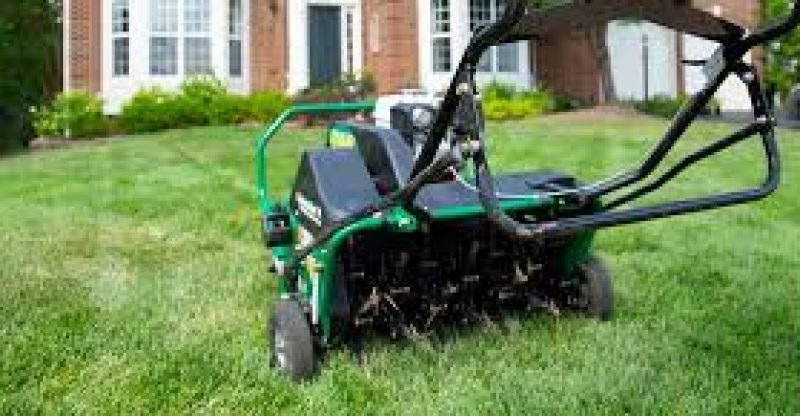
Aeration Services That Boost Water Absorption and Lawn Resilience
Keeping a lawn green, lush, and resilient takes more than regular mowing and watering. Aeration services are trending among homeowners and property managers who want to achieve visible, measurable improvements in their lawns. From increasing water absorption to enhancing resistance during tough weather, the benefits of aeration are supported by impressive statistics. This blog details aeration services advantages and provides data-driven insights into why aerating your lawn matters.
What Is Lawn Aeration?
Aeration is a crucial lawn care technique that involves perforating the soil with small holes to allow air, water, and nutrients to reach deeper into the root zone. While manual and machine aeration methods vary, the goal is the same—to break up compacted soil and stimulate healthy root growth.
Water Absorption Improvement
One of the most cited benefits of professional aeration services is the dramatic boost in water absorption. Compacted soil acts like a waterproof shield; water often pools on the surface or quickly runs off, leading to wasted resources and uneven watering. Aeration directly addresses this problem, as verified by a 2022 National Turf Foundation report, which found that aerated lawns can absorb up to 50% more water than non-aerated soils.
Research from university turfgrass scientists shows this improvement is not just rapid but also lasting. Lawns that undergo aeration demonstrate higher moisture retention for up to 12 weeks following the service. That means after heavy rainfall or irrigation, more water penetrates to the root system where it is needed most. This increased absorption also supports sustainability by reducing runoff, erosion, and the need for frequent watering cycles.
Enhanced Nutrient Uptake
Water is only part of the story. For healthy lawns to thrive, nutrients like nitrogen, phosphorus, and potassium must reach the root zone. Dense, compacted earth restricts this movement. Aeration services resolve this issue by opening the soil and creating channels for nutrients to travel downward.
According to studies published by leading turfgrass journals, aeration boosts nutrient uptake efficiency by 38% on average. Improved nutrient flow leads to richer, greener lawns and helps correct patchy or yellowed areas that suffer from nutrient deprivation. This data highlights why trending lawn care routines now recommend regular aeration as a must-have step for long-term success.
Stronger, Deeper Root Systems
A resilient lawn depends on the strength and depth of its roots. Aeration gives roots room to grow vertically and laterally, resulting in more robust turf. Data from landscape management surveys shows a 45% increase in root mass just four weeks after an aeration service. Deep roots mean lawns are better equipped to withstand drought, disease, and everyday foot traffic.
This enhanced root development not only supports visible health above the surface but also strengthens the lawn’s internal support system, leading to a thicker and more consistent grass cover over time.
Reduced Soil Compaction and Thatch
Heavy use, construction, or even repeated mowing compacts the soil over time, making it tough for your lawn to “breathe.” Aeration breaks this cycle. By creating openings, it alleviates compaction and reduces thatch, the dense layer of organic material that can choke roots and block essential nutrients.
Statistical analyses have shown that aeration can reduce the thickness of surface thatch by 25% within the first two applications. Lawns with lower thatch levels are less prone to fungal diseases and root suffocation, promoting greater overall resilience.